Online-Safety

What is ‘Online Safety’? Online safety can also be called ‘Internet safety’, ‘e-safety’ or ‘web safety’.
Online safety is being aware of the nature of the possible threats that you could encounter whilst engaging in activity through the internet.
Online safety encompasses not only Internet technologies but also electronic communications via mobile phones, games consoles and wireless technology. It highlights the need to educate children and young people about the benefits, risks and responsibilities of using information technology.
- Online safety concerns safeguarding children and young people in the digital world.
- Online safety emphasises learning to understand and use new technologies positively.
- Online safety is less about restriction and more about education about the risks as well as the benefits, so we can feel confident online.
- Online safety is concerned with supporting children and young people to develop safer online behaviours both in and out of school.
In practice, online safety is as much about behaviour as it is electronic security. Online safety in this context is classified into three areas of risk:
- Content: being exposed to illegal, inappropriate or harmful material.
- Contact: being subjected to harmful online interaction with other users.
- Conduct: personal online behaviour that increases the likelihood of, or causes, harm.
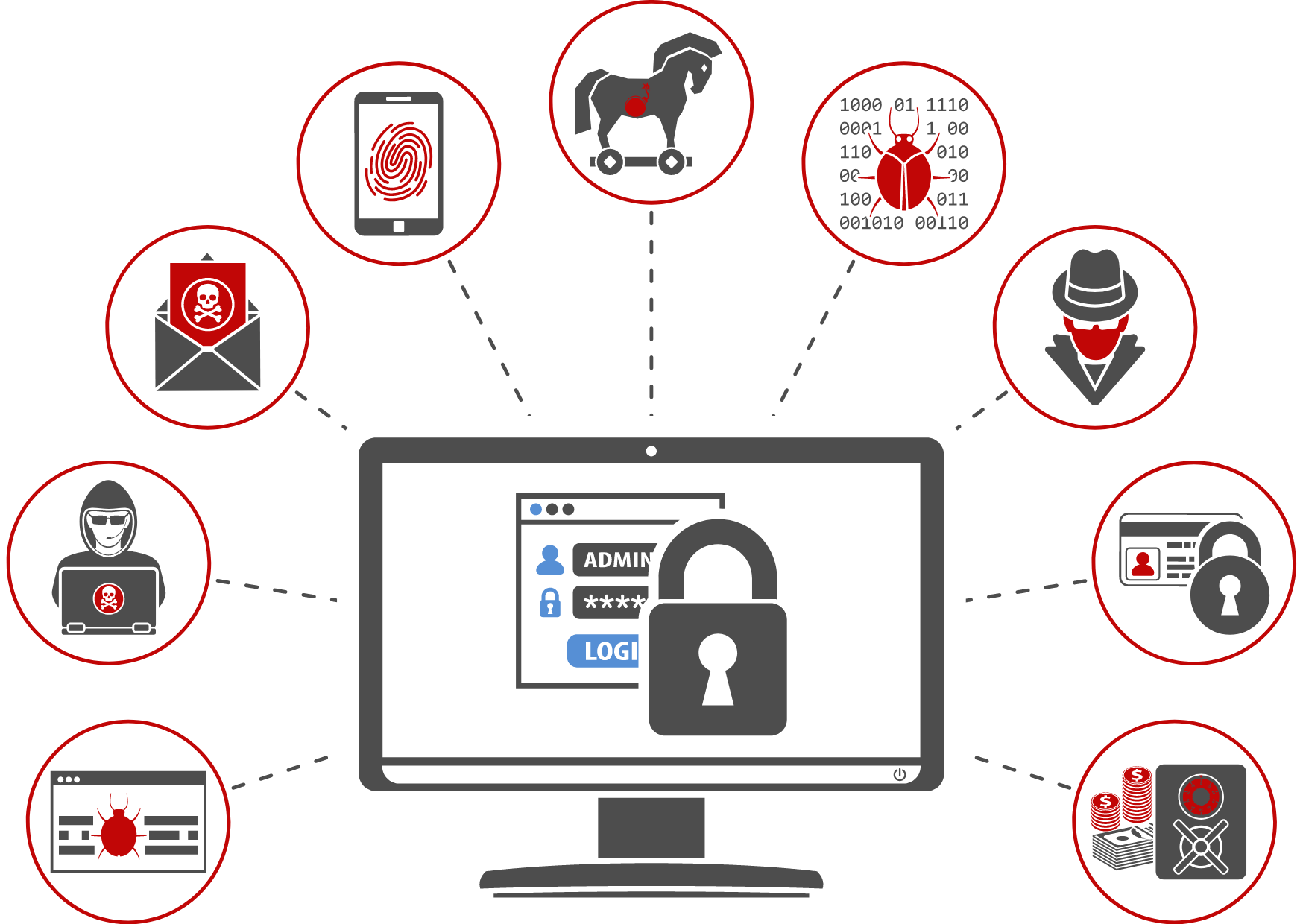
The Internet is an unmanaged, open communications channel. The World Wide Web, email, blogs and social networks all transmit information using the Internet’s communication infrastructure internationally at a low cost. Anyone can send messages, discuss ideas and publish material with little restriction. These features of the Internet make it an invaluable resource used by millions of people every day.
 Some material on the Internet is published for an adult audience and can include violent and adult content. Information on weapons, crime and racism may also be unsuitable for children and young people to access. Pupils need to develop critical skills to evaluate online material and learn that publishing personal information could compromise their security and that of others. Schools have a duty of care to enable pupils to use online systems safely.
The rapid development and accessibility of the Internet and new technologies such as personal publishing and social networking means that e-Safety is an ever-growing and changing area of interest and concern.